Tax Advantages When Buying Property in Mallorca – Premium Guide for International Buyers and Investors
- Overview of Property Taxes in Mallorca
- Why Mallorca Is So Attractive for International Investors
- Additional Costs When Buying Property
- Buying a Resale Property – Understanding ITP Tax
- Buying a New Build – IVA and AJD
- Ongoing Taxes and Costs After Purchase
- Taxes for Non-Residents in Mallorca
- Holiday Rentals and Tax Optimization
- Taxes When Selling a Property
- Inheritance, Gifts and Wealth Planning
- Tax Optimization Strategies
- Common Mistakes Foreign Buyers Make
- Why Professional Advice Matters
- FAQ About Property Taxes in Mallorca
- Conclusion – Using Tax Advantages Strategically
Why Tax Planning Is So Important When Buying Property in Mallorca
Mallorca has become one of Europe’s most desirable real estate destinations. Buying a property in Mallorca means more than purchasing a house, villa or apartment — it also means investing in lifestyle, long-term stability and Mediterranean living.
However, beyond location, sea views and architecture, tax planning plays a crucial role. A well-structured strategy can help buyers understand real acquisition costs, optimize their investment structure and avoid future surprises.
Overview of Property Taxes in Mallorca

Buying property in Mallorca is often an emotional decision. At the same time, it is also an important financial investment that should be carefully prepared.
Besides the purchase price itself, several taxes and additional costs need to be considered from the beginning. The overall tax structure mainly depends on whether the property is a resale property or a newly built home.
For resale properties, the ITP transfer tax is usually applicable. New build properties are generally subject to IVA and AJD taxes. This distinction can significantly influence the total acquisition costs.
After the purchase, buyers must also consider ongoing expenses such as local property tax, insurance, community fees, maintenance costs and specific tax obligations for residents and non-residents.
Buyers who plan to rent out the property should additionally understand the taxation of rental income, especially in the case of holiday rentals with ETV licenses.
Professional tax planning does not simply mean paying fewer taxes. It means creating clarity, transparency and a secure long-term structure for the investment.
Important: Tax regulations may change and depend heavily on personal circumstances, country of residence and property usage. This article does not replace individual legal or tax advice.
Why Mallorca Is So Attractive for International Investors
Mallorca offers a unique combination of international demand, limited supply, excellent lifestyle and strong real estate stability. This is exactly why the island remains highly attractive for buyers from Germany, Austria, Switzerland, Scandinavia, the United Kingdom and many other countries.
The island is not only a holiday destination. It is also a mature international real estate market with many different buyer profiles — from second-home owners to investors searching for luxury villas, Mediterranean fincas or modern apartments in Palma.
One of the most attractive aspects for investors is the strong demand for premium properties in top locations. Sea view homes, beachfront properties and exclusive residential areas continue to experience high demand over the long term.
Mallorca also offers excellent international infrastructure. International schools, modern healthcare, marinas, golf courses, fine dining and year-round flight connections further increase the island’s attractiveness.
Strong International Demand
Mallorca remains one of Europe’s most desirable real estate markets for international buyers.
Limited Supply
Premium locations on the island are limited and support long-term value stability.
Mediterranean Lifestyle
Climate, gastronomy, security and quality of life make Mallorca exceptionally attractive.
Additional Costs When Buying Property in Mallorca

When purchasing property in Mallorca, buyers should not calculate only with the purchase price itself. Several additional costs may arise depending on the property type, property value and personal circumstances.
The most important expenses include taxes, notary fees, land registry costs, legal services and, in some cases, financing expenses.
For resale properties, the largest additional expense is often the ITP transfer tax. For new build properties, IVA and AJD are usually applicable instead.
Professional legal support is highly recommended. Especially for international buyers, it is essential to verify land registry information, licenses, debts, urban planning status and the overall legal situation of the property.
| Area | Typical Cost | Important Information |
|---|---|---|
| Resale Property | ITP Transfer Tax | Progressive tax system according to current Balearic regulations. |
| New Build | IVA and AJD | Different tax structure compared to resale properties. |
| Purchase Process | Notary, Registry and Lawyer | Essential for secure and legally safe property transfers. |
| Financing | Bank and Valuation Costs | Relevant when financing through a mortgage or international bank. |
Thinking About Buying Property in Mallorca?
We personally support you in finding exclusive properties and collaborate with experienced lawyers, tax advisors and financing specialists in Mallorca.
Request Personal AdviceBuying a Resale Property in Mallorca – Understanding the ITP Transfer Tax

When purchasing a resale property in Mallorca, buyers are generally subject to the so-called ITP transfer tax. This Spanish property transfer tax represents one of the most important additional acquisition costs and should be included in financial planning from the beginning.
The amount of the tax depends on current Balearic regulations and may vary according to the purchase price and the buyer’s individual situation. In many cases, a progressive tax scale applies, meaning that higher-value properties may generate a higher tax burden.
Especially for luxury villas, Mediterranean fincas or sea view apartments, this can significantly impact the total investment cost. Professional planning therefore requires a detailed analysis of the entire acquisition structure, not only the purchase price itself.
It is also important to understand that Spanish authorities increasingly consider the official cadastral reference value. If this value exceeds the actual purchase price, the tax calculation may be based on the cadastral reference instead.
For this reason, a careful review of both the property and the tax situation is highly recommended. Many international buyers underestimate how strongly acquisition costs influence the total investment.
Important: ITP tax rates may change and depend on several factors. Buyers should always request updated professional tax advice before purchasing property in Mallorca.
Buying a New Build Property in Mallorca – IVA and AJD

New build properties in Mallorca are subject to a different tax structure compared to resale properties. Instead of the traditional ITP transfer tax, buyers are usually required to pay IVA and AJD taxes.
This mainly applies to modern apartments, exclusive residential developments, newly built luxury villas and projects purchased directly from developers.
For premium new build properties, it is particularly important to calculate the total tax burden in advance. Although modern developments often offer advantages such as energy efficiency, contemporary architecture, smart home systems and luxury communal areas, acquisition taxes can still be substantial.
Many international buyers prefer newly built properties because of their modern standards and lower maintenance requirements during the first years. In addition, new build homes are often highly attractive for personal use, long-term stays or premium holiday rentals.
However, every investment should be analyzed individually. Location, construction quality, developer reputation, community costs and long-term appreciation potential remain essential factors.

Modern Apartments
New developments offer contemporary architecture and premium-quality equipment.

Exclusive Villas
Modern luxury villas belong to the most desirable property segments in Mallorca.

Premium Lifestyle
Modern properties combine Mediterranean luxury with long-term value stability.
Ongoing Taxes and Costs After Buying Property in Mallorca
After purchasing a property in Mallorca, owners should also consider several ongoing costs and tax obligations that may arise over time.
Many buyers focus mainly on the purchase price and acquisition taxes. However, recurring expenses are equally important within a professional long-term investment strategy.
One of the best-known ongoing costs is the annual IBI property tax charged by local municipalities. The amount is generally based on the cadastral value of the property.
Additional expenses may include:
- waste collection fees
- community fees
- insurance costs
- pool and garden maintenance
- general maintenance expenses
- security and administration services
Especially for luxury villas, gated communities and premium properties with pools or large plots, these ongoing expenses can vary considerably.
Buyers should also consider tax obligations for non-residents. Even when the property is not rented out, certain declarations may still be required.
Realistic financial planning therefore includes not only the acquisition itself, but also all recurring ownership costs associated with the property.
Taxes for Non-Residents in Mallorca
A large percentage of property buyers in Mallorca do not permanently reside in Spain. Many purchase apartments, villas or fincas as second homes, holiday residences or long-term investments.
For non-residents, specific tax regulations may apply. These rules can vary depending on whether the property is used privately, rented long-term or used for holiday rentals.
Owners generating rental income generally need to declare this income in Spain. In this context, tax residency, double taxation treaties and individual circumstances play a major role.
Additionally, some tax obligations may exist even when the property is used exclusively for private purposes. Many buyers initially do not realize that privately used homes may still require certain tax declarations.
This is exactly why working with specialized tax advisors experienced in international buyers and Spanish real estate taxation is highly recommended.
Second Home
Many owners use their property exclusively for private stays in Mallorca throughout the year.
Long-Term Investment
Other buyers focus primarily on value stability and long-term capital growth.
Holiday Rentals
Properties with ETV licenses may offer attractive additional income opportunities.
Clear Tax Planning Creates Security
Well-structured preparation helps buyers reduce risks and make safer long-term investment decisions in Mallorca.
Learn More About Property in MallorcaHoliday Rentals and Tax Optimization in Mallorca

Many buyers in Mallorca combine personal use of their property with the opportunity to generate additional rental income. Especially luxury villas, premium apartments and Mediterranean fincas offer excellent potential for attractive rental concepts — provided that location, equipment and legal conditions are suitable.
In general, a distinction is made between long-term rentals and tourist holiday rentals. While long-term rentals often provide more stable income, holiday rentals can generate significantly higher seasonal returns.
Buyers who plan to rent their property for tourism purposes should carefully understand Mallorca’s legal regulations. Many properties require an official ETV license for tourist rentals. Additionally, taxation of rental income plays a major role.
International property owners should clarify from the beginning which tax obligations may arise in connection with rentals:
- taxation of rental income
- ongoing tax declarations
- tax treatment of deductible expenses
- possible tax advantages
- differences between residents and non-residents
- double taxation agreements
Particularly interesting is the fact that certain costs related to rentals may have tax relevance. Depending on the individual situation, these may include administration costs, maintenance, insurance or financing expenses.
Professional tax planning can help structure the property efficiently and reduce unnecessary long-term risks. Especially for high-value properties, a well-organized strategy often creates major advantages.
Important: Tax optimization opportunities depend heavily on personal circumstances, country of residence and property usage. Individual advice from specialized professionals is essential.
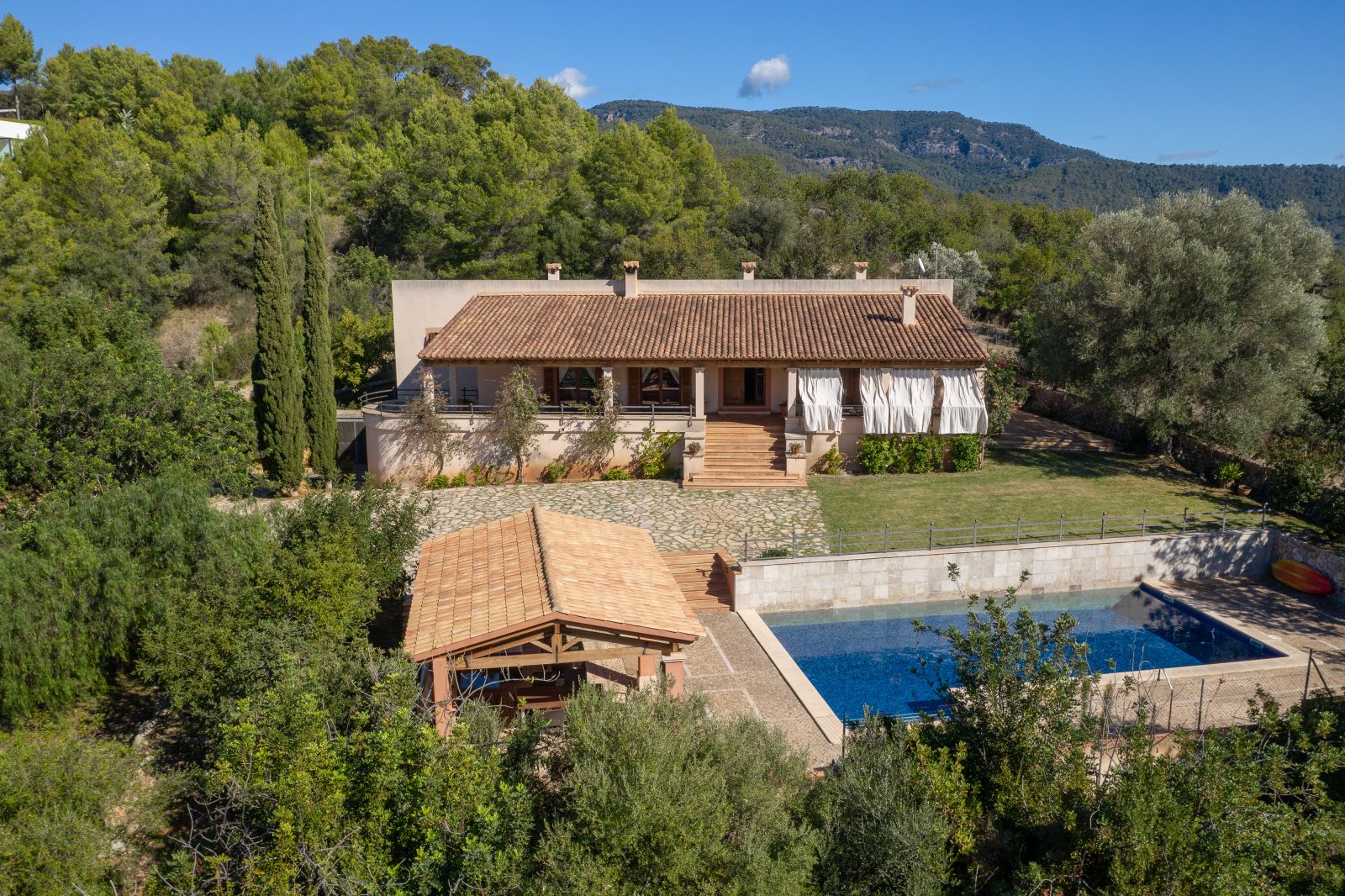
Finca with Rental Potential
Mediterranean fincas with pools and privacy remain highly attractive for international buyers.

Sea Views & Luxury
Premium coastal properties continue to experience strong long-term demand.

Holiday Rentals
Properties with ETV licenses can offer attractive rental and investment opportunities.
Taxes When Selling Property in Mallorca

Not only the purchase of property in Mallorca should be carefully planned from a tax perspective. A future sale may also involve important tax implications, especially for high-value real estate.
When selling property in Spain, taxes on potential capital gains may apply. Factors such as ownership duration, investments, renovations and modernization work can directly influence the final tax situation.
In addition, the so-called Plusvalía Municipal may also become relevant. This is a local tax related to the theoretical increase in land value.
For non-residents, additional regulations may apply. In certain situations, the buyer temporarily retains part of the purchase price and transfers it to the Spanish tax authorities until the final tax settlement is completed.
For this reason, it is extremely important to properly document renovations, modernization projects and relevant investments, as these may later become tax relevant.
Early planning often helps avoid surprises and allows owners to structure their long-term investment more efficiently.
Inheritance, Gifts and Wealth Planning in Mallorca
Many international buyers view their Mallorca property not only as a holiday residence or investment, but also as a long-term family asset.
This is why topics such as inheritance, gifting and succession planning are becoming increasingly important. Early planning can help reduce future uncertainties and simplify wealth transfers.
Spain has inheritance and tax regulations that differ in several aspects from other European countries. Therefore, international owners should always analyze their personal situation individually.
This involves not only possible taxes, but also questions such as:
- ownership structure
- shared family ownership
- succession planning
- international inheritance regulations
- wills in multiple countries
- tax implications for heirs
Especially for luxury properties or international family wealth structures, professional planning can provide significantly greater long-term security and clarity.
A well-organized wealth structure protects both owners and future generations.
Tax Optimization Strategies

Tax optimization does not mean avoiding taxes. Instead, it means structuring a real estate investment professionally, transparently and efficiently over the long term.
International buyers especially benefit when they develop a clear strategy before purchasing a property. Many decisions related to financing, ownership structure or rentals may later have tax consequences.
Among the most relevant topics are:
- private or corporate ownership structures
- personal use versus rental use
- long-term wealth planning
- international tax residency
- optimization of ongoing costs
- financing structures
The right solution always depends on personal circumstances, country of residence, family structure and investment goals. There is no universal solution suitable for every buyer.
Especially buyers of premium real estate should consider tax planning from the beginning — not only after the purchase has already been completed.
Prepare Your Property Purchase in Mallorca Professionally
We personally assist international buyers in finding exclusive properties in Mallorca and collaborate with experienced tax advisors, lawyers and financing specialists.
Learn More About Mallorca TopimmobilienCommon Mistakes Foreign Buyers Make When Purchasing Property in Mallorca

The real estate market in Mallorca is international, emotional and at the same time highly complex. Many foreign buyers underestimate certain legal, tax and financial aspects that may later create unnecessary problems.
One of the most common mistakes is focusing exclusively on the emotional appeal of a property. Sea views, Mediterranean architecture or a prime location can quickly create excitement. Nevertheless, every real estate investment should also be analyzed strategically.
Another major issue is insufficient due diligence. Not every property automatically comes with legalized extensions, registered pools, approved terraces or tourist rental permissions.
Tax matters are also often underestimated. Many buyers calculate only with the purchase price and overlook recurring taxes, ongoing obligations or future tax implications connected to rentals or resale.
Additional common mistakes include:
- lack of professional tax planning
- missing legal advice
- unrealistic return expectations
- insufficient location analysis
- purely emotional purchase decisions
- lack of long-term investment strategy
- underestimating recurring costs
The most successful buyers are usually those who combine Mediterranean lifestyle ambitions with professional preparation. A structured strategy helps reduce risks and creates significantly more long-term security.
Our advice: Premium properties in Mallorca should never be purchased based purely on emotion. The best investments combine location, quality, tax planning and a long-term vision.
Why Professional Advice Is So Important

Buying property in Mallorca is one of the most important financial and lifestyle decisions many people will ever make. This is exactly why the entire process should be professionally supported.
An experienced real estate agent not only helps buyers find suitable properties, but also supports them in evaluating opportunities, risks and long-term investment potential realistically.
Professional real estate agencies in Mallorca also work closely with specialized lawyers, tax advisors, financing experts and architects. This creates a significantly safer purchasing process for international buyers.
International buyers especially benefit from understanding local aspects such as:
- regional price developments
- differences between residential areas
- local tax regulations
- rental opportunities
- urban planning regulations
- long-term appreciation potential
Professional advice not only creates security, but also saves time, improves decision-making and provides much greater clarity throughout the purchase process.
Especially when purchasing luxury villas, sea view properties or premium investment assets, local market expertise becomes a decisive advantage.
FAQ – Frequently Asked Questions About Property Taxes in Mallorca
Which taxes apply when buying property in Mallorca?
Depending on the property type, buyers may pay ITP transfer tax for resale properties or IVA and AJD taxes for new builds.
What are the typical acquisition costs?
Additional costs depend on the property type, purchase price and the buyer’s personal situation.
Do non-residents pay taxes in Spain?
Yes. Depending on property usage, different tax obligations and declarations may apply.
Is holiday rental income attractive from a tax perspective?
Properties with ETV licenses can generate additional income opportunities but require proper tax planning.
What ongoing costs should owners expect?
In addition to taxes, owners may face community fees, insurance, maintenance and administration costs.
Why is professional tax advice so important?
International property investments often involve multiple countries and overlapping tax regulations.
Conclusion – Using Tax Advantages and Property Investments in Mallorca Strategically

Mallorca continues to be one of Europe’s most attractive real estate markets. The combination of Mediterranean lifestyle, strong international demand, limited supply and long-term value stability makes the island especially appealing for buyers and investors.
Buying property in Mallorca means investing not only in a home, but also in quality of life, security and long-term wealth preservation.
At the same time, every investment should be professionally prepared. Tax matters play a central role and influence acquisition costs, ongoing expenses, rental structures and future resale decisions.
Good tax planning does not mean searching for aggressive tax structures. It means creating transparency, clarity and long-term security.
Whether it is an elegant sea view villa, a modern new build apartment, a Mediterranean finca or a premium investment property, Mallorca offers exceptional opportunities for international buyers who wish to combine lifestyle and real estate investment.
With professional advice, realistic planning and a solid strategy, property investments in Mallorca can become significantly safer and more successful.
Would You Like to Buy Property in Mallorca?
We personally assist you in finding exclusive properties in Mallorca — from the first consultation to the final handover. Professional, transparent and backed by genuine local market expertise.
Discover Properties Now
.JPG)
.JPG)
Looking for exclusive property in Mallorca? We personally support you in finding villas, fincas, apartments and investment opportunities across the island.
Discover premium real estate in Mallorca now and benefit from professional guidance, local expertise and a strong international network.